


Nephrology
- Presentation
- Healthcare services
- Team
- About diseases or procedures
- Research
- Teaching
- Contact
Codi servei:
Recerca:
The Nephrology Service of the Germans Trias i Pujol University Hospital maintains a strong commitment to research and innovation as strategic pillars to improve knowledge of renal diseases and the quality of patient care.
Currently, the service is part of the REMAR research group (Research in Renal-Affecting Diseases), recognised by the Generalitat de Catalunya as an emerging group. This group is integrated within the Germans Trias i Pujol Research Institute (IGTP), with whom it collaborates on various translational research projects.
At a national level, the service is an active member of the REDinREN (Renal Research Network) of the Carlos III Institute of Health, and collaborates with the Glomerular Diseases Group of the Spanish Society of Nephrology (SEN), the Glomerular Diseases Study Group of the Catalan Society of Nephrology, and the Catalan Society of Hypertension.
Current main lines of research include:
- Study of resistant hypertension and techniques such as renal denervation.
- Cardiovascular complications in chronic kidney disease and treatments to reduce their risk.The service actively participates in national and international multicentre Phase II and III clinical trials, and collaborates with hospital centres and universities across Europe.
- Study of microvesicles and their role in renal vascular inflammation and damage.
- Study and development of non-invasive tests for diagnosing the degree of renal fibrosis.
- Use of electronic devices for monitoring hydroelectrolytes such as potassium.
- Promotion of the clinical use of Bioartificial Kidneys.
- MicroRNA studies
- Studies on the use of bedside ultrasound for the diagnosis and management of congestion, both in patients with native kidneys and in those on renal replacement therapy (dialysis and transplantation).
- Implementation of impact microindentation in the clinical study of bone quality.
The service actively participates in multicentre Phase II and III clinical trials, both national and international, and collaborates with hospitals and universities across Europe.
This scientific and multidisciplinary approach makes the Nephrology Service an active and leading centre for the generation of knowledge in the field of nephrology.
Presentation:
The Nephrology Service at the Germans Trias i Pujol University Hospital offers comprehensive care for patients with renal disease, from diagnosis through therapeutic management, including renal replacement therapy such as dialysis and transplantation. The service's activities are directed at patients with acute or chronic renal pathology, electrolyte disorders, arterial hypertension, primary and secondary glomerulopathies, as well as patients with advanced chronic kidney disease or who have undergone transplantation. As a referral centre for nephrology for the North of Barcelona and the Maresme, the service works to provide specialised, safe and evidence-based care, with the aim of improving patients' quality of life and slowing the progression of kidney disease.
The service has outpatient clinics, inpatient care, a day hospital and specific programmes for patients on dialysis (night-time haemodialysis, home haemodialysis and peritoneal dialysis), as well as monitoring and preparation for renal and renal-pancreatic transplantation. The service works in a coordinated manner with other hospital departments and patner centres. One of the service's distinguishing features is its multidisciplinary clinics with specialities such as Cardiology, Endocrinology, Geriatrics, Rheumatology and Obstetrics, which allow for the provision of efficient and comprehensive care. It also has a specific programme for advanced chronic kidney disease (CKD-AKI) and an Interventional Nephrology unit for performing renal biopsies.
- In the field of research, the service collaborates with the Germans Trias i Pujol Research Institute (IGTP) and participates in studies on specific kidney pathologies, chronic kidney disease, transplantation and cardiovascular risk. Clinical trials and innovation projects are also developed.
- In terms of teaching, the department trains UAB medical students and resident doctors, contributing to the training of future professionals with a comprehensive and up-to-date view of nephrology.
Its commitment to excellence in patient care, research and teaching consolidates its position as a leading centre in the field of renal diseases.
The Nephrology service was named a centre of excellence in cardiorenal syndrome in 2024, diabetes and arterial hypertension (there are only two centres in Spain) by the Spanish Society of Nephrology (S.E.N) and this year, 2025, the Cardiorenal Unit has been certified as SEC-Excellent by the Spanish Society of Cardiology (SEC).
Service highlights
-
Award for the project to improve nephrological care for patients with chronic kidney disease
-
Charity bike rides around Can Ruti boost research into kidney and pancreas transplantation
-
A new biomarker helps to detect kidney fibrosis in transplant patients without invasive procedures
Tipus Servei: 1
Correu: nefrologia.germanstrias@gencat.cat
Docència:
Undergraduate Teaching
The department is actively involved in the theoretical and practical teaching of fourth and sixth-year Medical students from the Faculty of Medicine, Autonomous University of Barcelona (UAB), at the Can Ruti Campus.
Docència postgraduada
We have two accredited annual positions for medical resident doctors (MIR). The specialist training lasts four years and is organised according to a Teaching Guide structured around competencies and rotations, which includes placements in specialised units of the service and external rotations.
Training is carried out under the supervision of the resident tutors, who provide individualised support, ensuring the achievement of training objectives and the professional well-being of the residents. The environment is very conducive to learning, with direct access to the various specialised areas: glomerular, transplantation, interventional techniques, hypertension, among others.
Residents actively participate in clinical sessions, working groups, research and hospital on-call duties. The employment rate after the residency is high, with a large proportion of residents joining local clinical teams or research groups.
►Consult the Training Guide.
Continuing education
The Nephrology Department organises weekly clinical sessions, monographic seminars and specific continuing education open to professionals from the department and other centres. We also run courses and workshops on current topics in nephrology.
In addition, trainees are encouraged to participate in conferences, external courses and research projects, with the active support of the department.
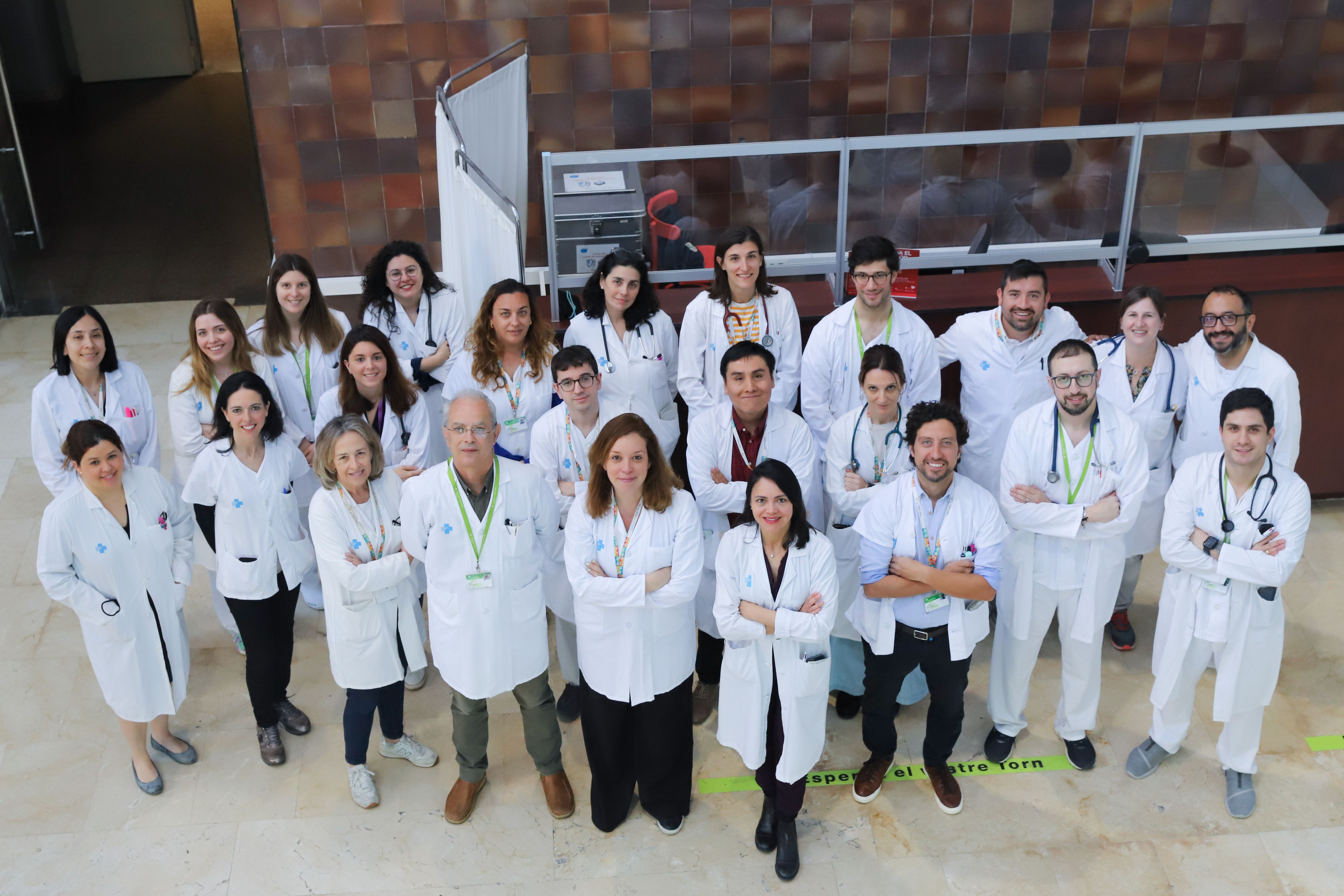
Equip mèdic
Jordi Ara del Rey
Clinical Director of Nephrology and Urology.
Jordi Bover Sanjuan
Head of Department.
Anna Vila Santandreu
Clinical Head of the Renal and Pancreatic Transplant Unit.
Laura Cañas Solé
Consultant Physician, Renal Transplant Unit. Deputy Medical Director for the Outpatient Department.
Fredzzia Graterol Torres
Specialist Doctor, Haemodialysis Unit. Tutor to residents.
Maribel Troya Saborido
Specialist Doctor, Peritoneal Dialysis Unit and Heart Failure Unit (UIC). Professor, UAB Can Ruti Campus.
Gregorio Romero González
Specialist Doctor, Haemodialysis Unit and Heart Failure Unit (UIC).
Jordi Soler Majoral
Specialist Doctor, Haemodialysis Unit.
Néstor Rodríguez Chitiva
Specialist Doctor, Haemodialysis Unit.
Marina Urrutia Jou
Specialist Doctor, Haemodialysis Unit.
Javier Juega Mariño
Specialist Doctor, Interventional Nephrology Unit.
Valentina Manuela Blanco
Specialist Doctor, Interventional Nephrology Unit.
María Molina Gómez
Specialist Doctor, Transplant Unit. Tutor to Trainees.
Ángela Isabel Casas Parra
Specialist Doctor, Transplant Unit.
Rosana Gelpi Remiro
Specialist Doctor, Transplant Unit.
Omar E. Taco Sánchez
Specialist Doctor, Transplant Unit.
Javier Paul Martínez
Specialist Doctor, Transplant Unit.
Mónica Bolufer Cardona
Specialist Doctor, Transplant Unit.
Iara da Silva Santos
Specialist Doctor, Clinical Nephrology Unit.
Carles Cañameras Fugasot
Specialist Doctor, Clinical Nephrology Unit.
Maya Sánchez-Bayá
Specialist Doctor, Clinical Nephrology Unit.
Rosely C. Rodríguez Pena
Specialist Doctor, Clinical Nephrology Unit and Associate Nephrologist at the Department of Internal Medicine, Hospital of Mataró.
Elisabet Massó Jiménez
Specialist Doctor, Clinical Nephrology Unit.
Paula Antón Pàmpols
Specialist Doctor, Clinical Nephrology Unit.
Verónica Coll Brito
Specialist Doctor, Clinical Nephrology Unit.
Resident Team
Mohamed Nassiri
Resident Doctor
Fernando Parra Londoño
Resident Doctor
Miriam Montero Estopiña
Resident Doctor
Desirée Catalan Garcia
Resident Doctor
Maria Rosa Villacis Vasquez
Resident Doctor
Yani Jaana Amutio Sánchez
Resident Doctor
Andrea Hostench Mateu
Resident doctor
Marta Garcia Chacón
Resident doctor
Equip d'infermeria
Carmen Lora San José
Nursing Supervisor on the inpatient ward
Montserrat Domingo Medina
Inpatient nursing team
Juliana Domínguez Hernández
Inpatient nursing team
Imelda Giménez González
Inpatient nursing team
Ma Ángeles Pizarro Pilar
Inpatient nursing team
Sherezade Benítez Guerrero
Inpatient nursing team
Jose Ma Selas Díaz
Inpatient nursing team
Nuria Bueno Lario
Inpatient nursing team
Ma Eugenia Díaz de la Cruz
Inpatient nursing team
Abigail Alonso Rodriguez
Inpatient nursing team
Montserrat Bodego Garre
Inpatient nursing team
Encarnación Muñoz Barea
Inpatient nursing team
Ma Carmen García Punsola
Inpatient nursing team
Ana Morillo Castellano
Inpatient nursing team
Francisca Bosquet López
Inpatient nursing team
Ada Carrasco Jiménez
Inpatient nursing team
Ma Del Carmen Torrent Farnell
Inpatient nursing team
Marina Otilia Cisternas Vicencio
Inpatient nursing team
Montserrat Grau Batlle
Inpatient nursing team
Ma Dolores Solá Milán
Inpatient nursing team
Susana Yuste Sarabia
Inpatient nursing team
Juan José Carli Alanis
Inpatient nursing team
Vicente Garrido Sánchez
Inpatient nursing team
Gemma Mach Abril
Inpatient nursing team
Susana Carrasco Garí
Inpatient nursing team
Aida Diaz Solé
Inpatient nursing team
Susana Diaz García
Inpatient nursing team
Ma Dolores Morales Labrat
Inpatient nursing team
Daniel Sánchez Bernal
Inpatient nursing team
Montserrat Vidal Salvador
Inpatient nursing team
Elvira Sesé Torres
Consultation nursing team
Antonio López Miravalles
Nursing Supervisor in the Haemodialysis and Renal Transplant Unit
Pilar Cortés Alaiza
Nursing team of the Haemodialysis and Renal Transplant Unit
Agustina Martín Abia
Nursing team of the Haemodialysis and Renal Transplant Unit
Maria Vicenta Ruiz Carbonell
Nursing team of the Haemodialysis and Renal Transplant Unit
Natalia Almendros Valera
Nursing team of the Haemodialysis and Renal Transplant Unit
Daria Nesterovich
Nursing team of the Haemodialysis and Renal Transplant Unit
Ma Isabel Casals Hernández
Nursing team of the Haemodialysis and Renal Transplant Unit
Rebeca Cañada Álvarez
Nursing team of the Haemodialysis and Renal Transplant Unit
Elisabet Saiz Pérez
Nursing team of the Haemodialysis and Renal Transplant Unit
Ma del Rocio Aguilera Jiménez
Nursing team of the Haemodialysis and Renal Transplant Unit
Natalia Flores Gil
Nursing team of the Haemodialysis and Renal Transplant Unit
Beatriu Vergara Ramos
Nursing team of the Haemodialysis and Renal Transplant Unit
Amparo Álvarez Martín-Romo
Nursing team of the Haemodialysis and Renal Transplant Unit
M Teresa Enrique Franco
Nursing team of the Haemodialysis and Renal Transplant Unit
Laura Soto Fernández
Nursing team of the Haemodialysis and Renal Transplant Unit
Ma Jesús Timoteo Barranco
Nursing team of the Haemodialysis and Renal Transplant Unit
Angels Gascó Serret
Nursing team of the Haemodialysis and Renal Transplant Unit
Ma Milagros del Rio Lafuente
Nursing team of the Haemodialysis and Renal Transplant Unit
Milagros Barranco Méndez
Nursing team of the Haemodialysis and Renal Transplant Unit
Tamara Morales Durán
Nursing team of the Haemodialysis and Renal Transplant Unit
Sandra Galvez Elena
Nursing team of the Haemodialysis and Renal Transplant Unit
Laura Martín Navarro
Nursing team of the Haemodialysis and Renal Transplant Unit
Rocio Gavira Melguizo
Nursing team of the Haemodialysis and Renal Transplant Unit
Jessica Ríos Ruiz
Nursing team of the Haemodialysis and Renal Transplant Unit
Sandra Rodríguez Real
Nursing team of the Haemodialysis and Renal Transplant Unit
Ester Joan Formentí
Nursing team of the Haemodialysis and Renal Transplant Unit
Cristina Quintana Reyes
Nursing team of the Haemodialysis and Renal Transplant Unit
Ma Teresa Guverna Cano
Nursing team of the Haemodialysis and Renal Transplant Unit
Rosa Beatriz Maldonado Paez
Nursing team of the Haemodialysis and Renal Transplant Unit
Noelia Navarro Terrassa
Nursing team of the Haemodialysis and Renal Transplant Unit
Kiron Soyed Islam
Nursing team of the Haemodialysis and Renal Transplant Unit
Ivan Miguel Laidalga Lavilla
Nursing team of the Haemodialysis and Renal Transplant Unit
Elisabet Marcos Ballesteros
Nursing team of the Haemodialysis and Renal Transplant Unit
Casandra Mateos Molina
Nursing team of the Haemodialysis and Renal Transplant Unit
María Murcia Moya
Nursing team of the Haemodialysis and Renal Transplant Unit
Ma Cruz Sánchez García
Nursing team of the Haemodialysis and Renal Transplant Unit
Mª Carmen Lozano Torralba
Nursing team of the Haemodialysis and Renal Transplant Unit
Equip administratiu
Roser Soler Cruz
Administrative team
Estela
Administrative team
Desirée Ortiz
Administrative team
The Nephrology Service at the Germans Trias i Pujol University Hospital offers comprehensive care for patients with renal disease, from diagnosis through therapeutic management, including renal replacement therapy such as dialysis and transplantation. The service's activities are directed at patients with acute or chronic renal pathology, electrolyte disorders, arterial hypertension, primary and secondary glomerulopathies, as well as patients with advanced chronic kidney disease or who have undergone transplantation. As a referral centre for nephrology for the North of Barcelona and the Maresme, the service works to provide specialised, safe and evidence-based care, with the aim of improving patients' quality of life and slowing the progression of kidney disease.
The service has outpatient clinics, inpatient care, a day hospital and specific programmes for patients on dialysis (night-time haemodialysis, home haemodialysis and peritoneal dialysis), as well as monitoring and preparation for renal and renal-pancreatic transplantation. The service works in a coordinated manner with other hospital departments and patner centres. One of the service's distinguishing features is its multidisciplinary clinics with specialities such as Cardiology, Endocrinology, Geriatrics, Rheumatology and Obstetrics, which allow for the provision of efficient and comprehensive care. It also has a specific programme for advanced chronic kidney disease (CKD-AKI) and an Interventional Nephrology unit for performing renal biopsies.
- In the field of research, the service collaborates with the Germans Trias i Pujol Research Institute (IGTP) and participates in studies on specific kidney pathologies, chronic kidney disease, transplantation and cardiovascular risk. Clinical trials and innovation projects are also developed.
- In terms of teaching, the department trains UAB medical students and resident doctors, contributing to the training of future professionals with a comprehensive and up-to-date view of nephrology.
Its commitment to excellence in patient care, research and teaching consolidates its position as a leading centre in the field of renal diseases.
The Nephrology service was named a centre of excellence in cardiorenal syndrome in 2024, diabetes and arterial hypertension (there are only two centres in Spain) by the Spanish Society of Nephrology (S.E.N) and this year, 2025, the Cardiorenal Unit has been certified as SEC-Excellent by the Spanish Society of Cardiology (SEC).
Service highlights
-
Award for the project to improve nephrological care for patients with chronic kidney disease
-
Charity bike rides around Can Ruti boost research into kidney and pancreas transplantation
-
A new biomarker helps to detect kidney fibrosis in transplant patients without invasive procedures
- Highly specialised clinical care for people with primary and secondary glomerular diseases
- Highly specialised clinical care for people with rare nephrological diseases
- Complex inter-specialty mixed clinics (Nephrology-Cardiology, Nephrology-Rheumatology, Nephrology-Endocrinology, Nephrology-Gynaecology)
- Specific consultation for pre-conception counselling for women with chronic kidney disease and nephrology-women consultation for high obstetric risk
- Specific consultation for Inherited Kidney Diseases
- Specific consultation for advanced chronic kidney disease or conservative management
- Upcoming joint inter-specialty consultation in Nephro-Geriatrics and Onco-Nephrology
- High expertise in performing renal biopsies
- Haemodialysis
- Online haemodialysis
- Night-time (long-duration) haemodialysis
- Home haemodialysis
- Haemodialysis for people with HIV or Hepatitis B or C
- Ambulatory and cycler-dependent peritoneal dialysis
- Plasmapheresis
- Management of acute renal failure in its various presentations (including continuous techniques)
- Dialysis-related techniques: Placement and removal of temporary and permanent catheters, creation of internal arteriovenous fistulas (IAVF), placement and removal of peritoneal dialysis catheters
- Related imaging techniques: vascular eco-Doppler, ultrasound assessment of congestion with POCUS (pulmonary, venous and echocardiographic ultrasound)
- Kidney transplant from a deceased donor (via brain death or controlled asystole - Maastricht III)
- Transplant from a living donor, cross-donation or altruistic donation
- Renal-pancreatic transplant
- Study of secondary and resistant hypertension with renal denervation
- Ambulatory Blood Pressure Monitoring (ABPM) study
- Pulse Wave Velocity (PWV) study
- Carotid ultrasound central pressure study
Advanced Chronic Kidney Disease Programme
The Nephrology Department at Hospital Germans Trias i Pujol is a pioneer and a regional centre of excellence in the comprehensive management of kidney disease and renal replacement therapy, with a clear commitment to personalised care, innovation and multidisciplinarity.
When kidney diseases cause deterioration in kidney function, they require a specific approach. This is why a structured programme with a proactive, patient-centred focus has been implemented. This programme anticipates therapeutic decisions and promotes patient empowerment through shared decision-making.
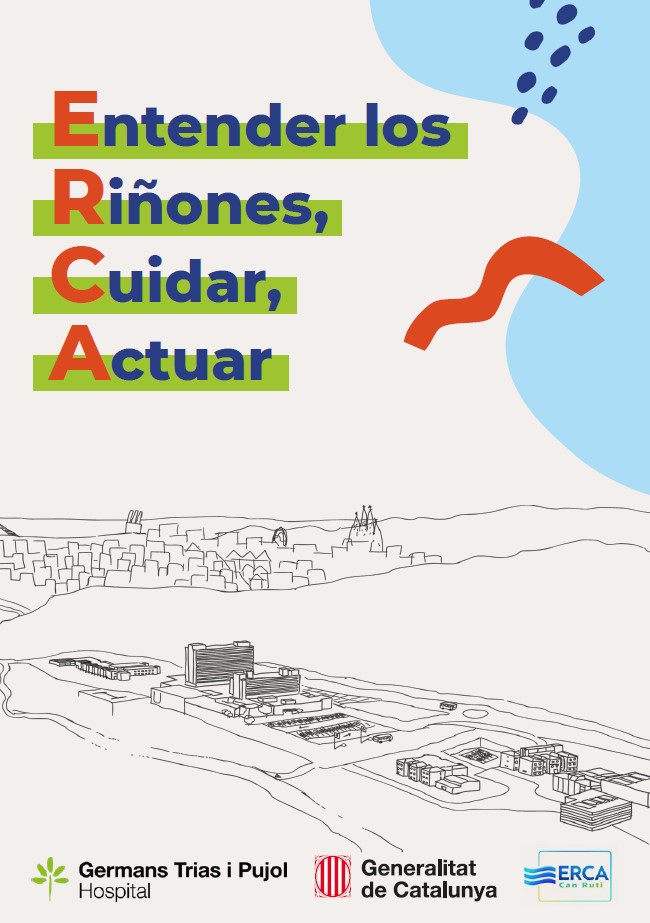
Receiving a diagnosis of advanced chronic kidney disease (ACKD) is not easy, and that is why we are here: to support you, guide you, welcome you and help you to better understand what you are going through. The Advanced Chronic Kidney Disease (ACKD) Unit is part of the Renal and Transplant Service, and was created so that you and your family do not feel alone during this process. The aim is to support you every step of the way, answer your questions and help you make informed decisions about the available treatments. A document has been created which serves as a guide for you. We want it to be useful and clear. Here you will find information about how the kidneys work, how to look after your kidney health with a comprehensive approach that includes diet, medication and some practical tips for everyday life. We are by your side so that, together, we can walk this path with as much peace of mind and confidence as possible.
Our hospital's ACKD unit has received accreditation from the Spanish Society of Nephrology (S.E.N.) until 2026, which guarantees the implementation of best practices and the pursuit of objectives for our patients.
- Consult the ACKD Manual.
Haemodialysis unit, kidney transplantation and kidney-pancreas transplantation
Sometimes, when the kidneys fail, treatment is needed to perform the blood-filtering function that the kidneys carry out, known as renal replacement therapy. The Nephrology Service at Germans Trias offers, in this regard:
- Dialysis techniques including conventional haemodialysis, online haemodialysis and haemofiltration, home haemodialysis and nocturnal haemodialysis. The haemodialysis unit in our department has a quality system based on continuous improvement and has been certified to the ISO 9001 standard (currently 9001:2015) since 2009, being the only public centre of the ICS with this certificate.
- Peritoneal dialysis
- Kidney and kidney-pancreas transplantation
Glomerular disease
Glomerular disease is a group of conditions that share the common feature of damaging the glomeruli, small structures responsible for the first step in filtering blood in the kidney to convert it into urine. Glomerular diseases can be primary, that is, originating and affecting the kidney, or secondary, caused by a more general disease of the body. In any case, early detection and the initiation of the most appropriate treatment are essential to prevent kidney damage. The Nephrology Department has a specialised unit for glomerular diseases, which offers early diagnosis and individualised monitoring and treatment. In addition, when necessary, ultrasound-guided kidney biopsies are performed to confirm the diagnosis and guide treatment in coordination with the Interventional Nephrology Unit and the Pathology Department. This unit is a regional centre of excellence for the specialised and multidisciplinary approach it offers.
Multidisciplinary teams
The kidney does not act in isolation: it participates in multiple vital functions and has a close relationship with other organs and systems of the body. When the kidney is affected, alterations often occur in organs such as the heart, the endocrine system or even in the course of pregnancy. Likewise, diseases of other organs can be the cause or consequence of renal deterioration. In view of this reality, multidisciplinary clinics provide comprehensive, coordinated and efficient care, with various specialists working together to assess and treat the patient in all their complexity. In this regard, the nephrology service offers specific multidisciplinary clinics:
- Nephrology-Cardiology Clinic: for the follow-up of patients with kidney disease, high cardiovascular risk and heart failure.
- Nephrology-Endocrinology Clinic: aimed especially at patients with diabetes and diabetic kidney disease, one of the main causes of chronic kidney disease. The integrated approach improves metabolic control and delays disease progression.
- Nephrology-Rheumatology Clinic: Focused on systemic diseases such as vasculitis, lupus, Sjögren's syndrome, and other autoimmune conditions with renal involvement. This collaboration allows for a rapid and coordinated assessment of complex cases that often require immunosuppressive treatments.
- Nephrology-Gynaecology Clinic: A dedicated clinic for pre-conception counselling for women with chronic kidney disease and for women with high obstetric risk.
The Nephrology Service of the Germans Trias i Pujol University Hospital maintains a strong commitment to research and innovation as strategic pillars to improve knowledge of renal diseases and the quality of patient care.
Currently, the service is part of the REMAR research group (Research in Renal-Affecting Diseases), recognised by the Generalitat de Catalunya as an emerging group. This group is integrated within the Germans Trias i Pujol Research Institute (IGTP), with whom it collaborates on various translational research projects.
At a national level, the service is an active member of the REDinREN (Renal Research Network) of the Carlos III Institute of Health, and collaborates with the Glomerular Diseases Group of the Spanish Society of Nephrology (SEN), the Glomerular Diseases Study Group of the Catalan Society of Nephrology, and the Catalan Society of Hypertension.
Current main lines of research include:
- Study of resistant hypertension and techniques such as renal denervation.
- Cardiovascular complications in chronic kidney disease and treatments to reduce their risk.The service actively participates in national and international multicentre Phase II and III clinical trials, and collaborates with hospital centres and universities across Europe.
- Study of microvesicles and their role in renal vascular inflammation and damage.
- Study and development of non-invasive tests for diagnosing the degree of renal fibrosis.
- Use of electronic devices for monitoring hydroelectrolytes such as potassium.
- Promotion of the clinical use of Bioartificial Kidneys.
- MicroRNA studies
- Studies on the use of bedside ultrasound for the diagnosis and management of congestion, both in patients with native kidneys and in those on renal replacement therapy (dialysis and transplantation).
- Implementation of impact microindentation in the clinical study of bone quality.
The service actively participates in multicentre Phase II and III clinical trials, both national and international, and collaborates with hospitals and universities across Europe.
This scientific and multidisciplinary approach makes the Nephrology Service an active and leading centre for the generation of knowledge in the field of nephrology.
Undergraduate Teaching
The department is actively involved in the theoretical and practical teaching of fourth and sixth-year Medical students from the Faculty of Medicine, Autonomous University of Barcelona (UAB), at the Can Ruti Campus.
Docència postgraduada
We have two accredited annual positions for medical resident doctors (MIR). The specialist training lasts four years and is organised according to a Teaching Guide structured around competencies and rotations, which includes placements in specialised units of the service and external rotations.
Training is carried out under the supervision of the resident tutors, who provide individualised support, ensuring the achievement of training objectives and the professional well-being of the residents. The environment is very conducive to learning, with direct access to the various specialised areas: glomerular, transplantation, interventional techniques, hypertension, among others.
Residents actively participate in clinical sessions, working groups, research and hospital on-call duties. The employment rate after the residency is high, with a large proportion of residents joining local clinical teams or research groups.
►Consult the Training Guide.
Continuing education
The Nephrology Department organises weekly clinical sessions, monographic seminars and specific continuing education open to professionals from the department and other centres. We also run courses and workshops on current topics in nephrology.
In addition, trainees are encouraged to participate in conferences, external courses and research projects, with the active support of the department.
Contacte: nefrologia.germanstrias@gencat.cat